Common questions about colorectal (colon or rectal) cancer screening
What is colorectal cancer?
Colorectal cancer starts in the colon or the rectum. These cancers can also be called colon cancer or rectal cancer, depending on where they start. The colon and rectum are part of the digestive system.
Colon cancer and rectal cancer are often grouped together because they have many features in common. Cancers that start in the colon or rectum often don’t have any symptoms. Screening can catch it before it spreads.
When should I get screened for colorectal cancer?
The American Cancer Society recommends that all people with an average risk for colorectal cancer start screening at age 45. The recommendation for how often to get screened depends on how you get screened. The different screenings are covered below.
If you are at increased risk for colorectal cancer or are having symptoms of colorectal cancer, it may be appropriate for you to be screened earlier than 45. (A Color doctor can help you figure this out.)
Why is it important to be screened for colorectal cancer?
Colorectal cancer can be a silent disease. Often, there are no symptoms. That’s why getting screened is so important. It can help prevent colorectal cancer — or catch it early when it is easiest to treat.
Colorectal cancer is the second most common cause of cancer deaths in the US. The majority of colorectal cancers are seen in people over the age of 50. But everyone has a risk for colorectal cancer. And in the last few years, more people are being diagnosed with colorectal cancer before the age of 50.
What types of screenings are available for colorectal cancer?
There are two main types of colorectal cancer screening tests: stool-based tests and in-person screening.
Each has pros and cons. The most important things to remember are that you get your recommended screening and that you go to any recommended follow-up visits or tests.
At-home, stool-based tests
Stool-based tests look for the presence of blood in your stool, which can be a sign of colorectal cancer. These tests can detect blood that you might not see with your naked eye. Stool-based tests are non-invasive and convenient.
If you are doing an at-home test, you’ll most likely receive a fecal immunochemical test (FIT). Some programs may also offer Cologuard (FIT-DNA). For an at-home test, you provide a stool sample at home and send it to the lab. These tests are recommended at different frequencies – FIT is recommended every year and Cologuard is recommended every 3 years.
In-person screenings
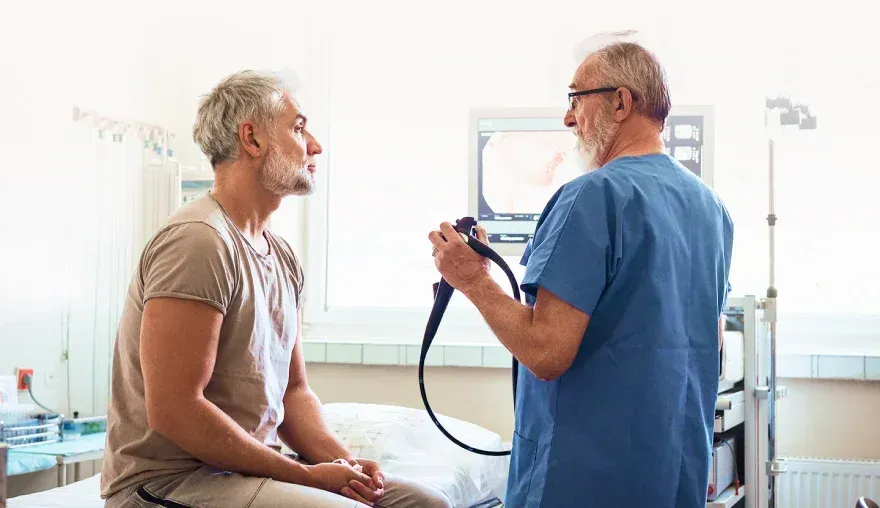
The most common in-person screening test for colorectal cancer is a colonoscopy. For a colonoscopy, you need to go to a doctor’s office or hospital. During this procedure, a doctor uses a camera attached to a scope and long tube to look for polyps and abnormal tissue in the colon and rectum. If polyps are seen during a colonoscopy, they are either removed, if they are small, or biopsied.
To get a colonoscopy, you need to drink a strong laxative starting the night before the procedure. The laxative will make you have loose bowel movements or diarrhea the day and night before the test. This is necessary so that the doctor can have a clear picture of your colon. You may need to take the day off from your normal activities. You will also need to have someone drive you home from the doctor’s office or hospital.
While the screenings discussed here are the most common, there are a few more that you might hear about.
How much will colorectal cancer screening cost me?
Thanks to the Affordable Care Act, most private health insurance covers preventive screenings with no out-of-pocket costs or deductibles. This includes stool-based tests and screening colonoscopies. If you choose to get a FIT kit sent to your home, you will not be charged.
It’s important to keep in mind that some colonoscopies may be subject to deductibles and coinsurance. This happens if they are considered surveillance or diagnostic colonoscopies based on your past medical history or the results of your exam. For example, if a polyp is found, the colonoscopy may be considered a ‘diagnostic’ test by your insurance.
No matter what type of screening you’re getting, your care advocate can help you find imaging centers that are in-network for your insurance. They can work with you to a out ahead of time what, if anything, you’ll have to pay.
If you have any concerns about cost, please reach out to a care advocate at (833) 337-0797.
Will colorectal cancer screening hurt?
What is it like to have a colonoscopy?
For the colonoscopy procedure, the patient is typically under anesthesia. Many people don’t even remember the procedure. The bowel prep is not pleasant, but it does not hurt. If you have concerns about receiving anesthesia, please reach out to your doctor at Color to learn about your options.
What happens if something is found in a colorectal cancer screening?
Positive results for stool-based test
It’s normal to be worried if you get a positive result on a stool-based test. It doesn’t mean that you have cancer — just that more screening is necessary. You’ll probably be referred for a colonoscopy, so a doctor can take a closer look at what might have caused that positive result.
A stool-based test may come back positive for a range of reasons, including hemorrhoids, anal fissures, or inflammatory bowel disease. It’s important to let your doctor know if you have any of these health concerns.
Positive results for colonoscopies
If you’re having a colonoscopy, your doctor will tell you afterwards what, if anything, they found. During a colonoscopy, doctors are looking for polyps. If they find any, they’ll usually remove them or take a small sample for a biopsy.
Polyps are not usually cancerous. But some can develop into colorectal cancer if they aren’t removed. By detecting and removing precancerous polyps, some colorectal cancers can even be prevented altogether.
What are the symptoms of colorectal cancer?
Symptoms of colorectal cancer are often subtle. They can be similar to many gastrointestinal problems, like irritable bowel syndrome. But knowing the subtle signs and symptoms is important because early detection can change the course of treatment and improve long-term outcomes.
Some of the most common symptoms experienced by people diagnosed with colorectal cancer under the age of 45 include:
- Abdominal pain
- Rectal bleeding
- Diarrhea
- Iron deficiency anemia
Other possible symptoms of colorectal cancer include:
- Constipation or narrowing of the stool lasting for multiple days
- A feeling that you need to have a bowel movement that’s not relieved by having one
- Blood in the stool, making the stool look dark brown or black
- Weakness and fatigue
- Unintended weight loss
It’s important to remember that the majority of the time, these symptoms are not due to cancer.
But if you’re noticing more than one symptom, or if the symptoms don’t go away, or if they come back, it’s important to talk with a healthcare provider.
What can I do to prevent colorectal cancer?
While there is no way to completely eliminate your risk for colorectal cancer, there are things you can do to help lower your risk. These include reducing red and processed meat consumption, drinking less alcohol, quitting smoking, and maintaining a healthy weight.
Can a colorectal cancer screening save my life?
It can! Screening can find colorectal cancer early, when it is small, hasn’t spread to other areas of the body, and is easier to treat. If you are diagnosed with colorectal cancer at an early stage, there is a 90% chance that you will recover and live more than 5 years after the diagnosis.
What if I already have a doctor?
We are happy to make it even easier for you to work with your existing care team. This can range from being your cheerleader in talking with your doctor to ordering your colorectal cancer screening for you so you can skip a visit to the doctor. We are also able to share test results with additional doctors at your request.
Color can help get your colorectal cancer screening done
With changing screening guidelines and busy life, it can be hard to keep on top of colorectal cancer screening.
Color can help you with whatever needs you have: