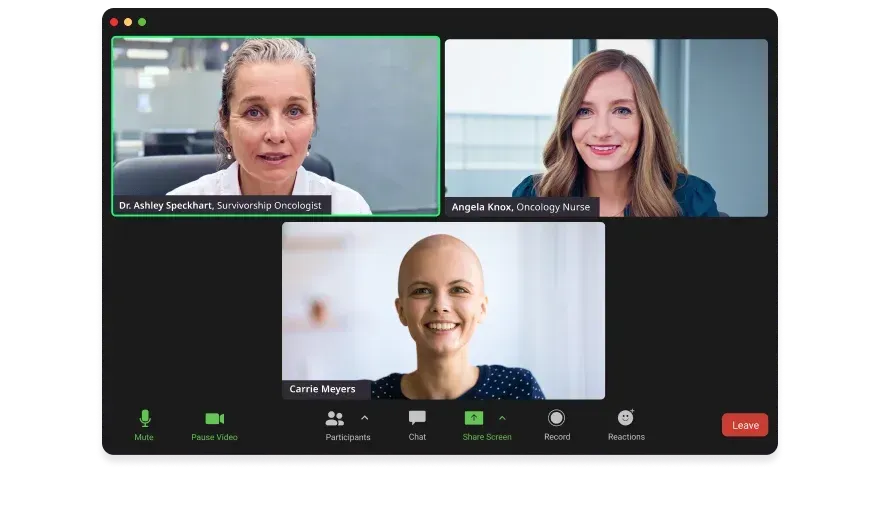



Color and Maven partner to make fertility planning a routine part of cancer care.

Early Detection & Diagnosis

Lower the costs of cancer with early detection

Identifying risk and finding cancer early is the best way to minimize costs and maximize health and healing. Through Color’s oncologist-led approach we engage your population, driving early detection beyond benchmarks and get them to diagnosis faster, leading to better outcomes and lower costs.

Take control before cancer takes hold

Early detection is the single most powerful lever to improve cancer outcomes and reduce spend. Yet screening is often treated as a one-time task rather than a clinically managed process. Day in and day out follow-ups are missed, and the average cancer diagnoses can take months instead of weeks.

With Color, prevention and early detection become an active, clinician-led strategy that identifies risk sooner, closes care gaps, and gets people to critical answers faster.

As cancer experts, we know early detection requires proactive clinical management

Access

Nationwide.
At-home ease.
24/7 availability.

Designed to engage from anywhere, provide access to all members when needed.

Access
Speed

Earlier discovery. Faster follow-up. Quicker intervention.

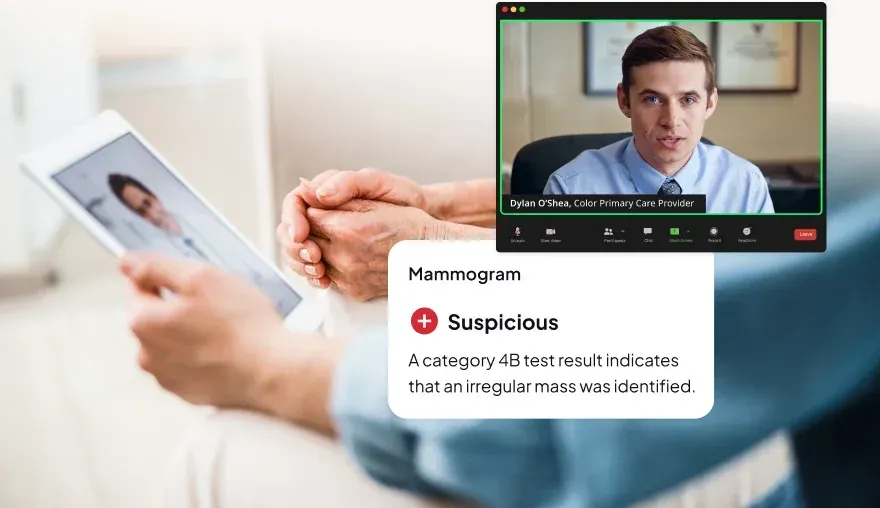
Cuts time to diagnosis by 55%, moving patients forward in days, not months.
Speed
Direct Clinical Care

Actual oncologist on staff, who act, not navigate.

Physician-licensed level care is more effective than simple navigation alone, providing better management and quality of life.

Direct Clinical Care

What Color delivers

20%

population enrollment in year one

+77%

increase in screening adherence

100%

follow-up on abnormal screening results

+55%

faster time to diagnosis

30-50%

reduction in avoidable imaging spend

A guidelines-based risk assessment approach to detection

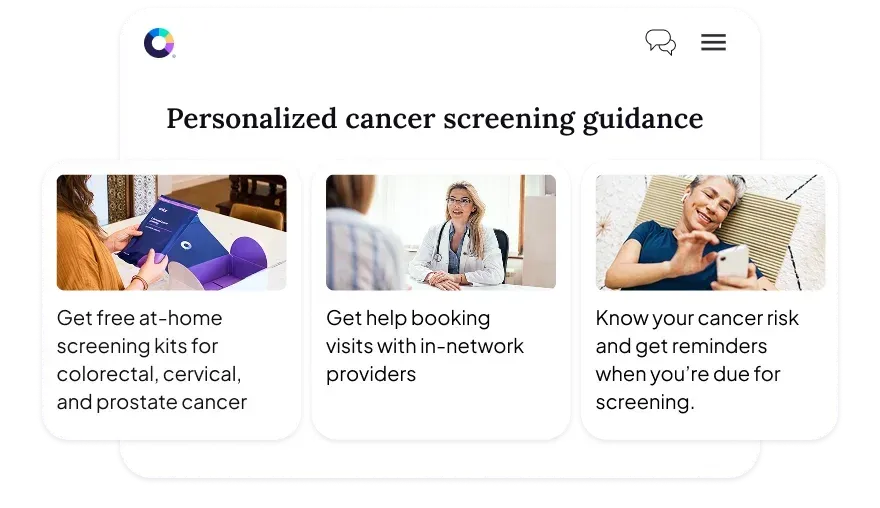
Color starts with a clinical assessment that identifies cancer risk across the population and matches people to the right screening at the right time. This guidelines-based risk assessment goes beyond age or claims data alone to identify higher-risk individuals earlier, reduce unnecessary screening, and shorten time to diagnosis.
Get the right people screened and diagnosed earlier

Earlier diagnosis

Prevent delays and avoidable escalation

Prevent delays

Keep diagnosis clear and decisions on track

Decisions on track
Case Studies Case Studies

Putting expertise into action

Case Study

Correcting a misdiagnosis

Case Study

Correcting a misdiagnosis

A patient came to Color with a pancreatic cancer diagnosis from their treating provider. After reviewing the case through our tumor board, to assess the diagnosis. Our clinicians identified that the diagnosis was incorrect. It was instead, cholangiocarcinoma, or bile duct cancer, a different disease requiring a completely different treatment plan, prognosis, and clinical trial options.

Because a partnership had been built with the treating provider from day one, Color caught the error before therapy began, avoided unnecessary treatment, and moved the patient quickly into the right care.


Color isn’t like the traditional model. We take action.

  • Correct diagnosis made before treatment through direct peer-to-peer review
  • Treating oncologist aligned with Color’s recommendation and updated the care plan
  • Special case approval secured in five days for care at a nearby cancer center
Case Study

Supporting a complex appeal

Case Study

Supporting a complex appeal

A woman with dense breast tissue went through the standard prior authorization and appeal process for an MRI, but the clinical documentation did not fully capture the nuances of her risk. She reached out to Color for help understanding her next steps. Our oncologists reviewed her history, completed the necessary risk calculations, and submitted additional clinical details to her health plan as part of the ongoing appeal. With the full context in place, the plan approved the MRI and she advanced quickly into follow-up care.


Color isn’t like the traditional model. We take action.

  • Prior authorization denial was reversed within days
  • Coverage was approved for the recommended breast MRI
  • The patient began appropriate follow-up care within 5 days
Case Study

From postcard to diagnosis in 18 days

Case Study

From postcard to diagnosis in 18 days

A patient hadn't seen a doctor in more than 20 years when she enrolled with Color. During her clinical assessment, our team identified high-risk symptoms that required urgent attention.

Color immediately escalated her to diagnostic imaging, ordered a full workup including biopsy and specialist referral, and confirmed a breast cancer diagnosis in just 18 days, compared to the six-month national average.


Color isn’t like the traditional model. We take action.

  • Diagnosis confirmed in 18 days instead of 6 months
  • $140,000 saved through early Stage Il detection versus Stage IV
  • Reconnected patient to ongoing care with a local primary care provider

Frequently asked questions

How does Color improve cancer screening and early detection?

Color takes a clinically managed approach to screening, identifying risk, matching people to the right tests, and ensuring follow-up happens.

How does Color identify high-risk individuals?

Color uses clinical assessments and guideline-based criteria to identify individuals who may benefit from earlier or more intensive screening.

What happens after an abnormal result?

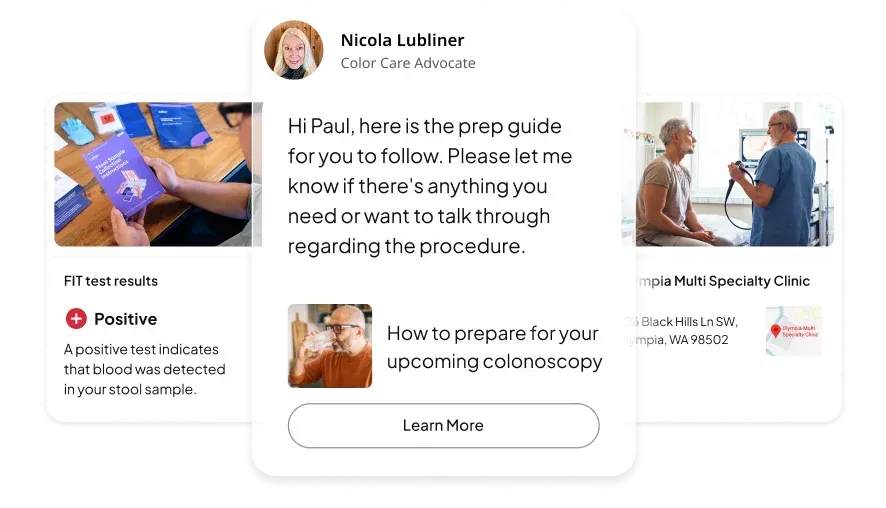
Color’s clinical team owns follow-up, quickly ordering additional testing, imaging, or referrals to prevent delays or missed diagnoses.

How does Color reduce time to diagnosis?

By clinically managing next steps and eliminating handoffs, Color shortens diagnostic timelines from months to weeks.

How does early detection impact outcomes and cost?

Earlier detection leads to better survival, less intensive treatment, and significantly lower costs.