



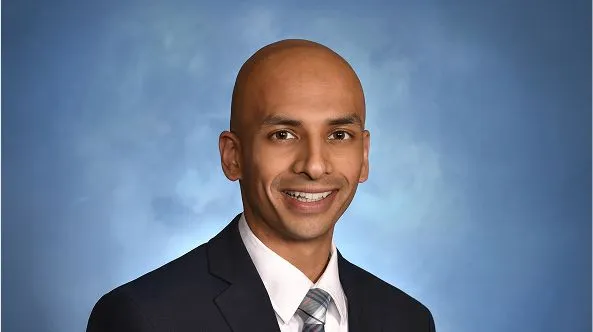
Karthik Rajasekaran, MD, FASC
Head & Neck Oncologist, Penn Medicine

Penn Medicine

Traditional second opinions are often one-time reviews that happen after treatment has already started. Color's Expert Medical Opinion is different.
With Color's Active Treatment program, every enrolled patient receives proactive, ongoing multidisciplinary review through Color's Oncology Expert Network, bringing additional cancer subspecialty expertise into care from diagnosis review through treatment. Expert Medical Opinion is built into the care experience instead of bolted on, helping identify treatment changes, close diagnostic workup gaps, connect patients to clinical trials and supportive care, and improve outcomes while reducing costs.
Read the Press ReleaseHear from Dr. Rebecca Miksad, Chief Medical Officer at Color, on how proactive, multidisciplinary Expert Medical Opinion helps patients receive the right diagnosis, the right treatment, and ongoing clinical review throughout their cancer journey.

Cancer treatment is one of the largest drivers of healthcare costs, and some of the most important decisions happen early. Yet many patients never receive multidisciplinary review from specialists focused on their specific cancer type. Traditional second-opinion programs are often one-time snapshots that arrive after treatment has already started.
With Color, Expert Medical Opinion is built into care from day one. Every patient receives multidisciplinary review through Color's Oncology Expert Network, comprised of NCI physicians and subspecialists to bring additional cancer expertise into treatment decisions and ongoing assessment throughout the cancer journey.

saved per patient in treatment
of Expert Medical Opinion reviews identified care recommendations
in Year 1
Expert Medical Opinion is more than a one-time review. It is an active clinical process that identifies opportunities to improve care while reducing avoidable costs. Every recommendation is designed to help patients receive the right care at the right time, while avoiding unnecessary treatments, delays, complications, and costs
✓ Treatment changes
✓ Diagnostic workup, including imaging and tumor marker testing
✓ Clinical trial referrals
✓ Lower-cost treatment recommendations
✓ Palliative care referrals
✓ Symptom management and supportive care
Color collaborates peer to peer with treating providers, completes the full diagnostic workup, orders missing imaging and tumor marker testing when appropriate, and delivers a multidisciplinary Expert Medical Opinion through an oncologist-led tumor board to confirm the right treatment, identify treatment changes, evaluate clinical trial opportunities, and recommend lower-cost treatment options when appropriate.
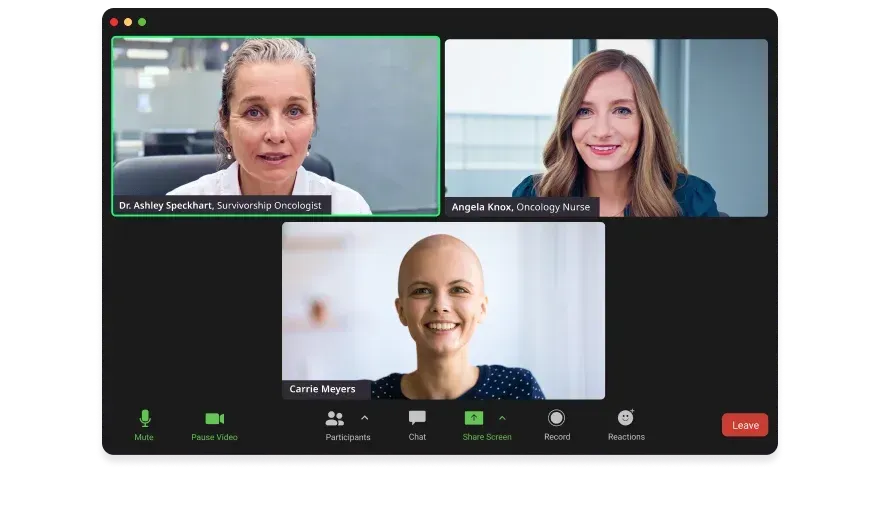
Every patient is matched with the right cancer subspecialists within our Expert Oncology Network based on cancer type, stage, and complexity, regardless of where they receive care. Patients benefit from nationally recognized oncology subspecialists from leading NCI-designated cancer centers without having to travel for expert review.

As care moves along, Color clinicians consistently review diagnoses, treatment plans, symptoms, and treatment decisions through multidisciplinary Expert Medical Opinion, helping identify opportunities for palliative care, supportive care, symptom management, and additional treatment changes that improve outcomes while reducing avoidable costs.

Color's Oncology Expert Network includes nationally recognized oncology subspecialists across medical oncology, surgical oncology, radiation oncology, cancer genetics, survivorship, palliative care, rehabilitation medicine, and other disciplines. Every patient is matched with the right subspecialists based on their diagnosis, stage, and clinical needs, expanding access to specialized cancer expertise regardless of where they receive care.
Our experts come from leading NCI-designated cancer centers and other nationally recognized cancer institutions, including Stanford Cancer Institute, UC San Francisco, University of Pennsylvania, University of Washington, University of Minnesota, Massachusetts General Hospital, and others. Together, they bring multidisciplinary expertise directly into every Expert Medical Opinion review.
Head & Neck Oncologist, Penn Medicine
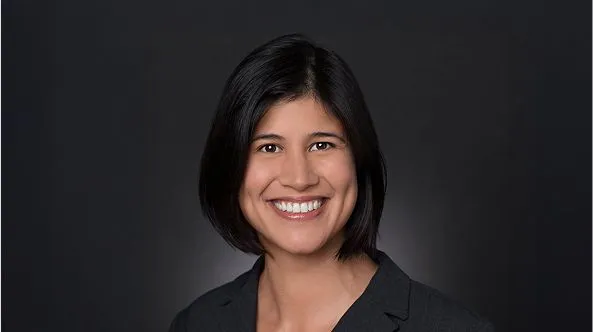
Dermatologist, Stanford


Medical Oncologist, Stanford

Family Practice / CEO, Flight Time Medical



OB/GYN, Mt Sinai (Miami)



Medical Oncologist, Stanford

Geneticist, University of Washington


Medical Oncologist, University of Florida


Palliative Care Physician, Maine Health


Integrative Medicine and Pain Management Physician, Maine Health

Urology Surgeon, Sutter Health


Urology Surgeon, Massachusetts General Hospital


Surgical Anesthetist, University of Colorado


Medical Oncologist, UC San Francisco


Surgical Oncologist, Emerita of Boston University


Medical Oncologist, University of Minnesota


Director, Gynecologic Oncology, University of Illinois



Cancer Geneticist and Molecular Oncologist, UC San Francisco

Medical Oncologist, UC San Francisco

Prison/Correctional oncology, Breast Cancer

Corrected a misdiagnosis of pancreatic cancer diagnosis to correct liver cancer diagnosis.
~$174K potential savings

Directed patient to the right specialist for tongue cancer instead of an ENT.
~$169K potential savings

Adjusted treatment plan for patient experiencing neuropathy contributing to falls, avoiding an ER visit or hospitalization.
~$35K potential savings

Moved a patient from in-hospital infusions to safe, home-based subcutaneous therapy.
~$18K potential savings

Addressed a heart condition during CAR-T treatment to prevent a serious cardiac event.
~$368K potential savings

Ordered an MRI for a recently diagnosed patient to rule out bilateral breast cancer.
~$93K potential savings